


Sal & Grafia – Déjà vu
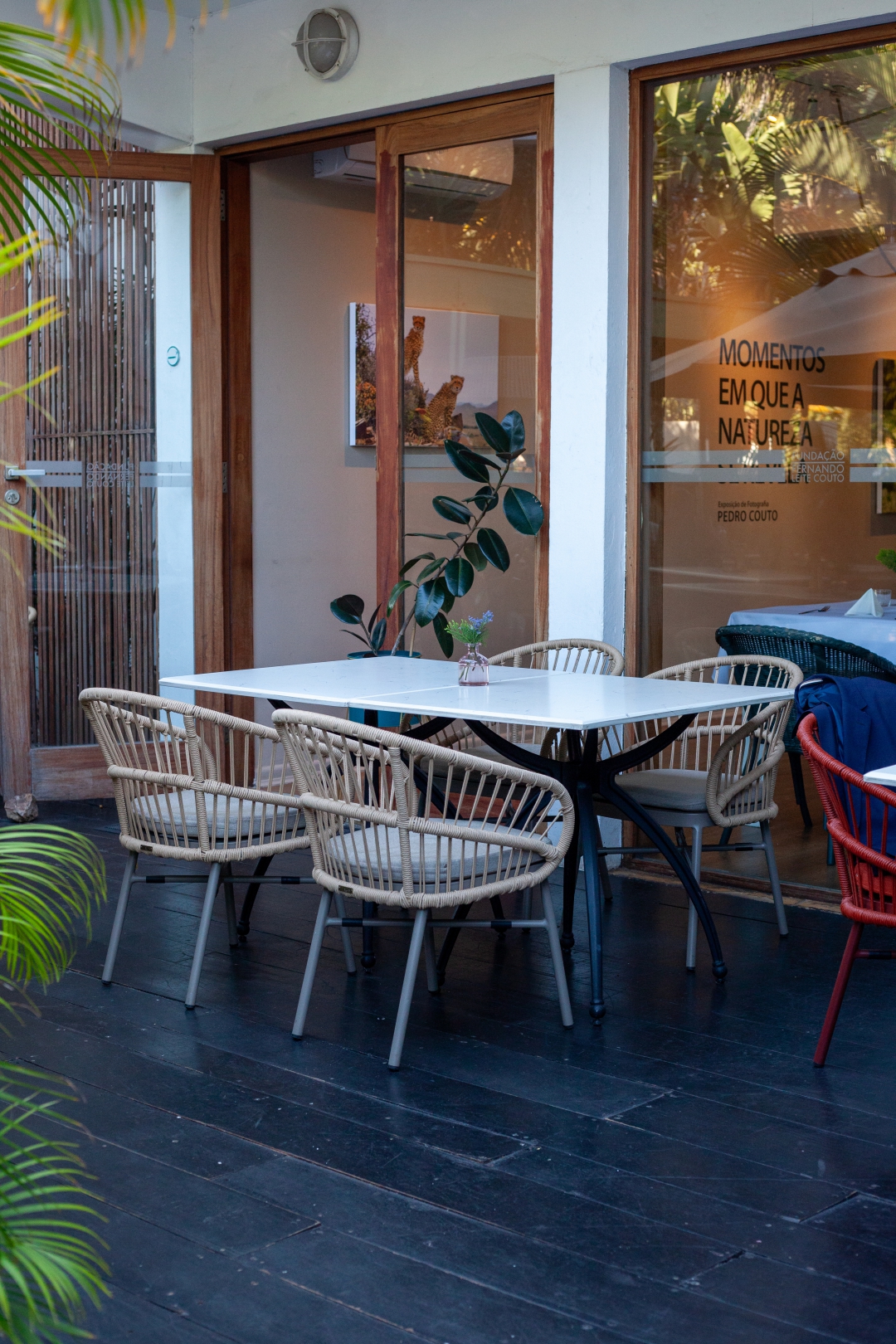
There are places where we don’t just go to eat. But to rediscover a kind of lost familiarity, that rare feeling of entering a space that seems to already know us even before we sit down at the table.
At Sal & Grafia, the restaurant of the Fernando Leite Couto Foundation in Maputo, the experience begins precisely with this domestic atmosphere. There is no cold distance of a space designed solely for consumption; there is a kind of extension of the home, where conversation flows freely and time seems to slow down. The family atmosphere isone of the first things you notice, also confirmed by those who have worked there for years. Chef Ernesto, who has been with the restaurant for eleven years, knows this continuity: the kitchen as a place of encounter, memory, and care.
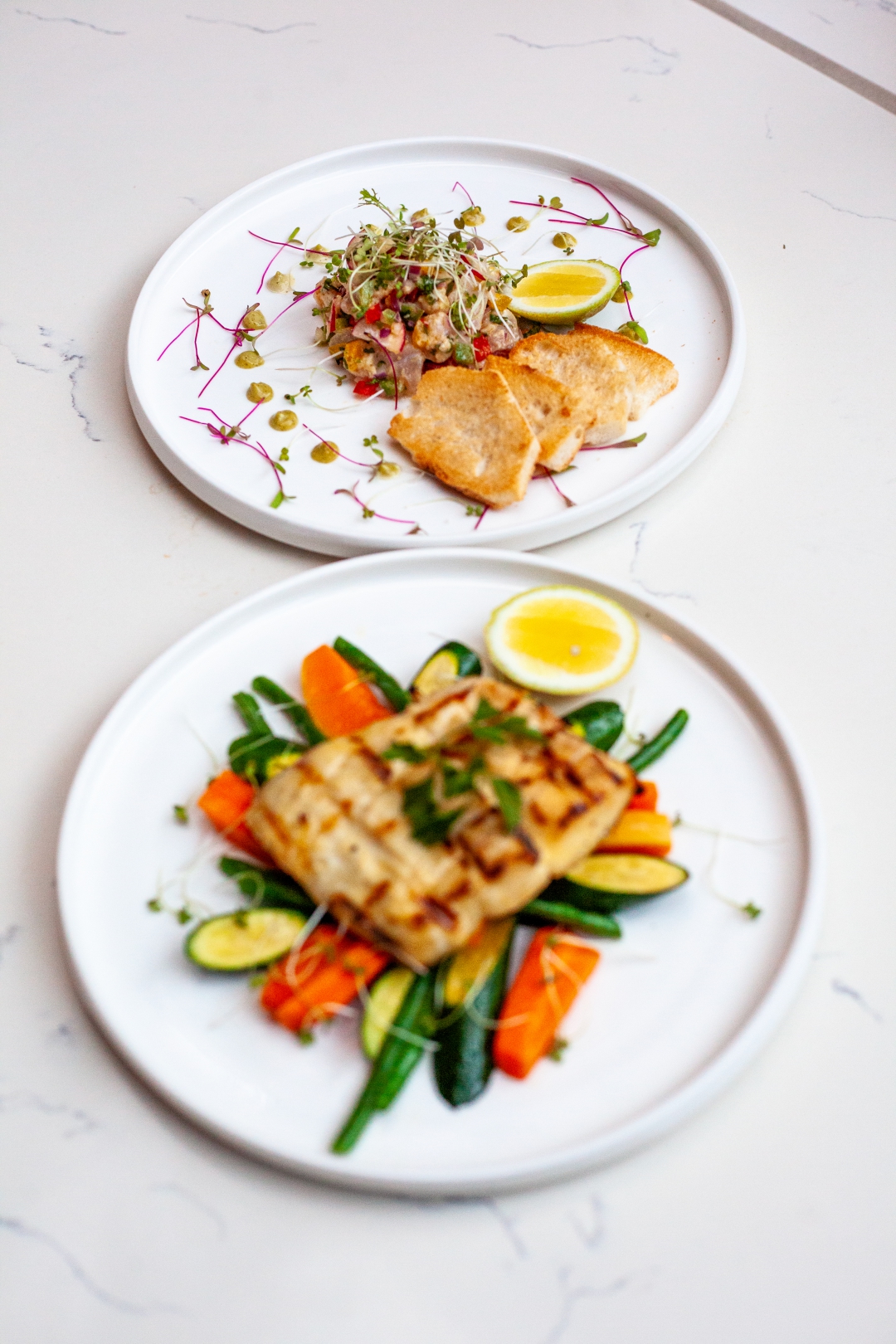
There is an almost affectionate relationship between the kitchen and what arrives on the plate. The food appears not only as a technical composition, but as a narrative. The fish, for example, gains another dimension in the fillet served with black pepper, where the seasoning does not seek to hide the delicacy of the meat, but to reveal layers. Pepper emerges as a discreet yet persistent presence: first the aroma, then the heat that slowly settles in, like certain memories that only reveal themselves after the first contact. Black pepper, that small seed that has crossed oceans, trade routes, and centuries of history, also carries the mark of human journeys. Perhaps that’s why there’s something symbolic when it finds a dish served in a space dedicated to culture and literature. Because gastronomy, like art, is also a form of circulation between worlds.
At Sal & Grafia, this connection seems natural. The table approaches what Fernando Leite Couto represented: a place of dialogue, sharing, and encounter between different sensibilities. There, between dishes, conversations, and the tranquil movement of the room, one can perceive that there are restaurants that nourish more than just the body. They nourish a certain sense of belonging.
And perhaps that is the greatest quality of the space:
making the visitor, even on their first visit, feel the urge to return.
▶DESTAQUE
… gastronomy, like art, is also a form of circulation between worlds.
">




















0 Comments