



Bengaluru – THE OTHER ÍNDIA
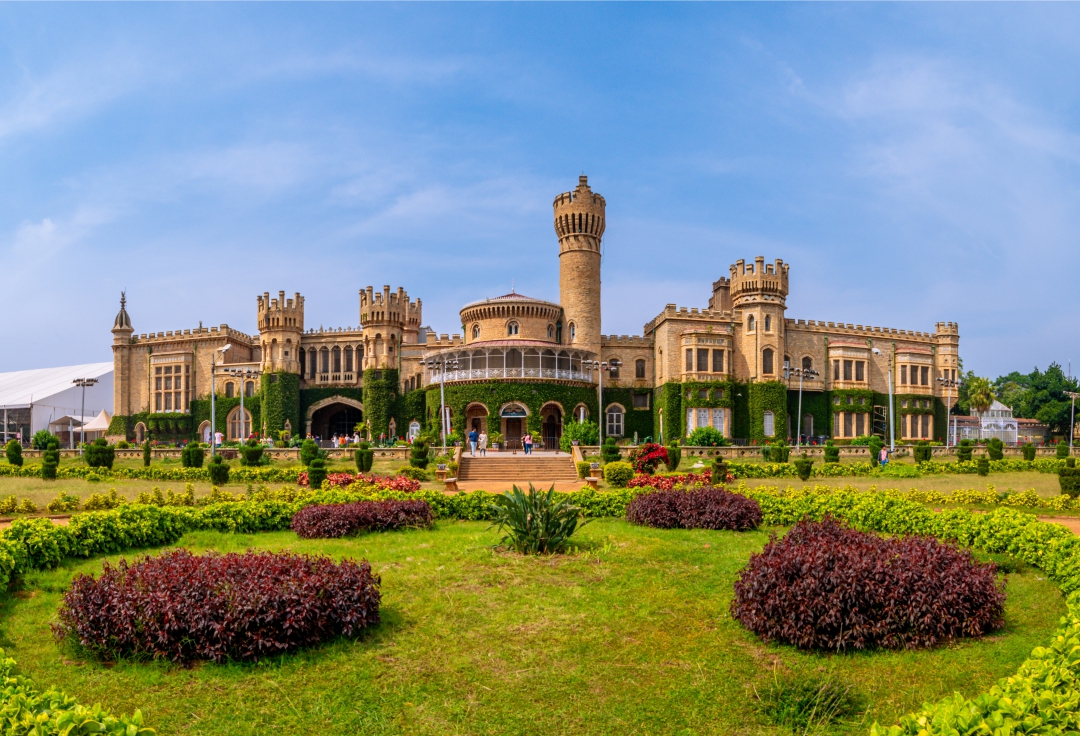
India does not present itself; it reveals itself. Profound, magnificent, and multifaceted, it welcomes us with the serenity of places that don’t need to announce themselves. There is something mysterious about this country, as if every street, every scent, and every face were gradually stripping us of the certainties we arrived with. The first impression isn’t visual. It’s olfactory. The air carries the scent of flowers turning into food, of spices wafting through markets and kitchens, and of damp earth after the rain. Overlaying this is the incessant sound of car horns, the murmur of crowds, and the constant movement of a society where people, animals, trees, machines, and concrete seem to share the same space without ever cancelling each other out. In India, everything happens at once, and, strangely, everything seems to find its place. Little by little, the vocabulary changes as well. Food, leaf, spirit, body, soul, city, humanity, nature. Words take on new meanings, as if the journey required one to unlearn before learning again. The gateway is Mumbai. Or Bombay, for many Indians who still prefer the name by which the city was known for centuries. As is the case in large metropolises, time moves to the rhythm of the economy: unpredictable, fast-paced, and indifferent to human attempts to control it. But my destiny was set long before I left. It was fiction that led me here. Aravind Adiga’s novel The White Tiger and its film adaptation, directed by Ramin Bahrani, have reshaped the collective imagination surrounding Bengaluru – formerly known as Bangalore. Unlike Varanasi, sought out for the spirituality of the banks of the Ganges, or Chennai, known for medical tourism, Bengaluru rarely appears among travelers’ most desired destinations. And yet, it is perhaps one of the cities where contemporary India is best understood.
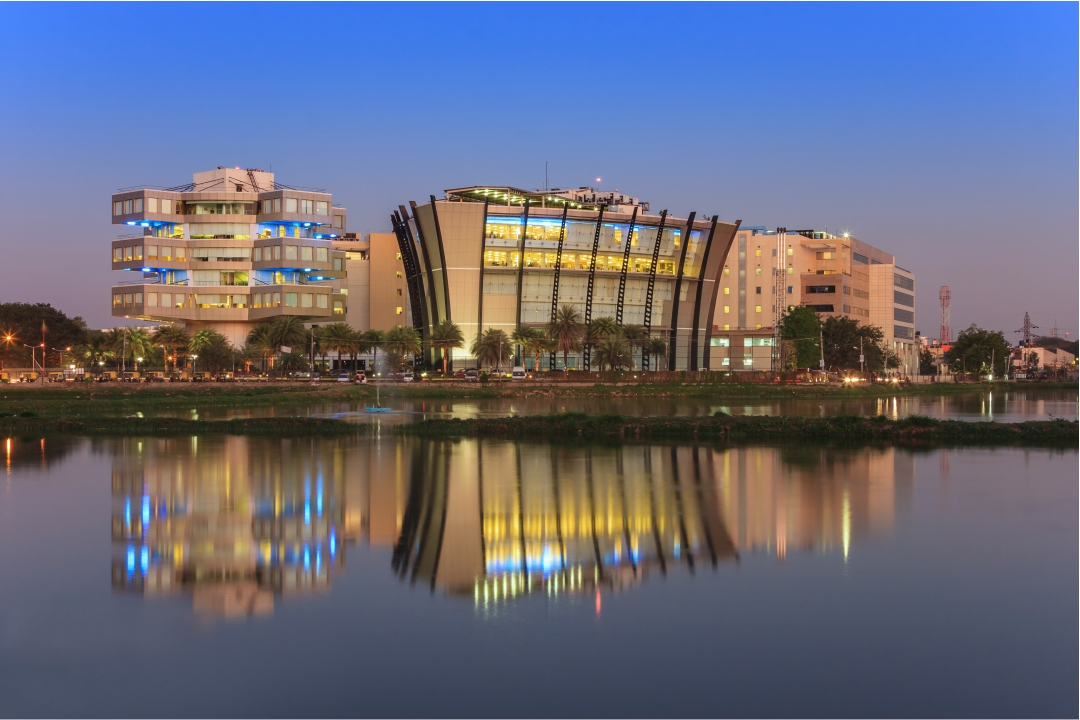
Bengaluru has become one of Asia’s largest technology hubs, a leader in research, innovation, and entrepreneurship.
But it is also a city where prosperity and inequality, tradition and modernity, hope and disillusionment coexist side by side. It was in this setting that Aravind Adiga found the material to craft the story of Balram Halwai, a character who defies the fate that was set for him and seeks to reinvent himself in a rapidly changing India. As is the case in many countries of the so-called Global South, economic growth is accompanied by profound inequalities. In Bengaluru, however, there remains a sense that dreams still have room to exist. Perhaps it is precisely this tension between the future and the past, between ambition and memory, that makes this city one of the most fascinating portraits of contemporary India.
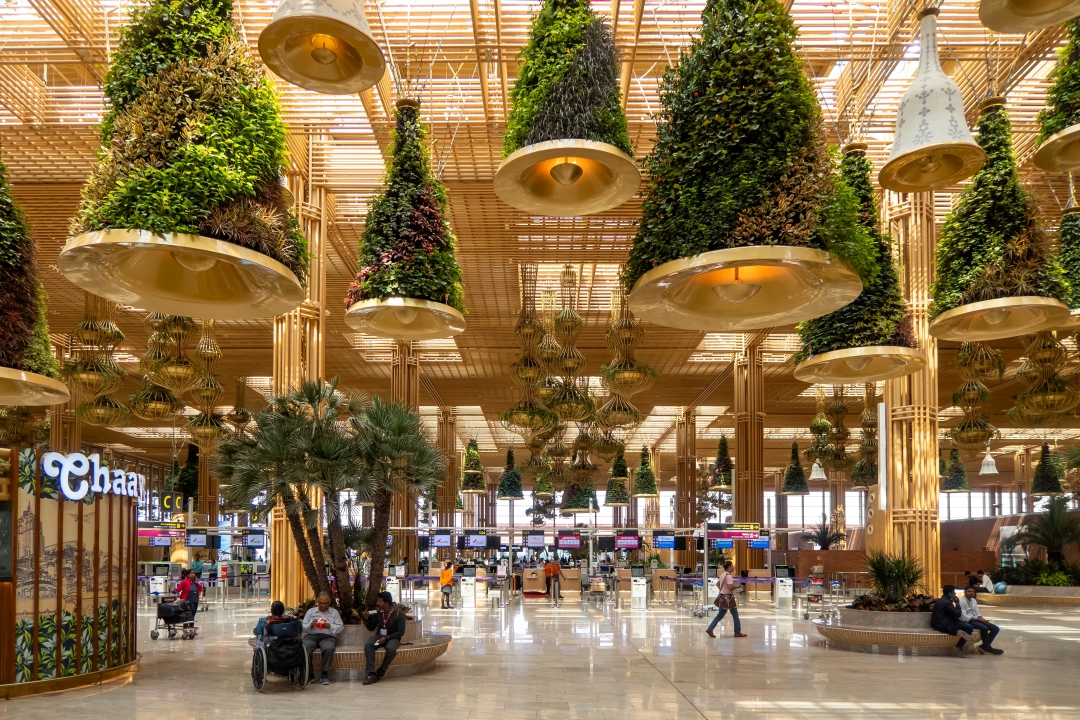
The first enchanting moment occurs even before we leave Kempegowda International Airport. It feels as though we’ve stepped into a garden where, as it happens, airplanes land. Nature welcomes us with an unexpected sense of serenity. The airport lives up to Bengaluru’s nickname, “the garden city.” In the main atrium, thousands of plants are harmoniously distributed throughout the indoor and outdoor spaces. Hanging gardens, green walls, and water mirrors give the building the atmosphere of a large tropical backyard, where the architecture seems to have been designed to interact with the vegetation, not to dominate it. As we drive along the city’s wide avenues, the traditional Indian honks remind us that tranquility is also part of the chaos. Trees line the roads, forming green tunnels that filter the light and soften the urban landscape. They absorb some of the dust released by the exhaust pipes of motorcycles and cars, offering shade to pedestrians and a sense of coolness. In the early months of the year, when temperatures rarely exceed 25 degrees, jacarandas and tabebuias burst into bloom with lilac, pink, and yellow flowers. It’s as if the city itself were welcoming visitors through color. Perhaps that is what makes Bengaluru so unique: nature never seems to have been pushed to the fringes of development. On the contrary, it continues to vie for space with buildings, overpasses, and corporate towers, coexisting with urban expansion without losing its prominence.
Edição 90 JUL/OUT | Download.
">






















0 Comments