





Cinema, Magude, and Maguiguana
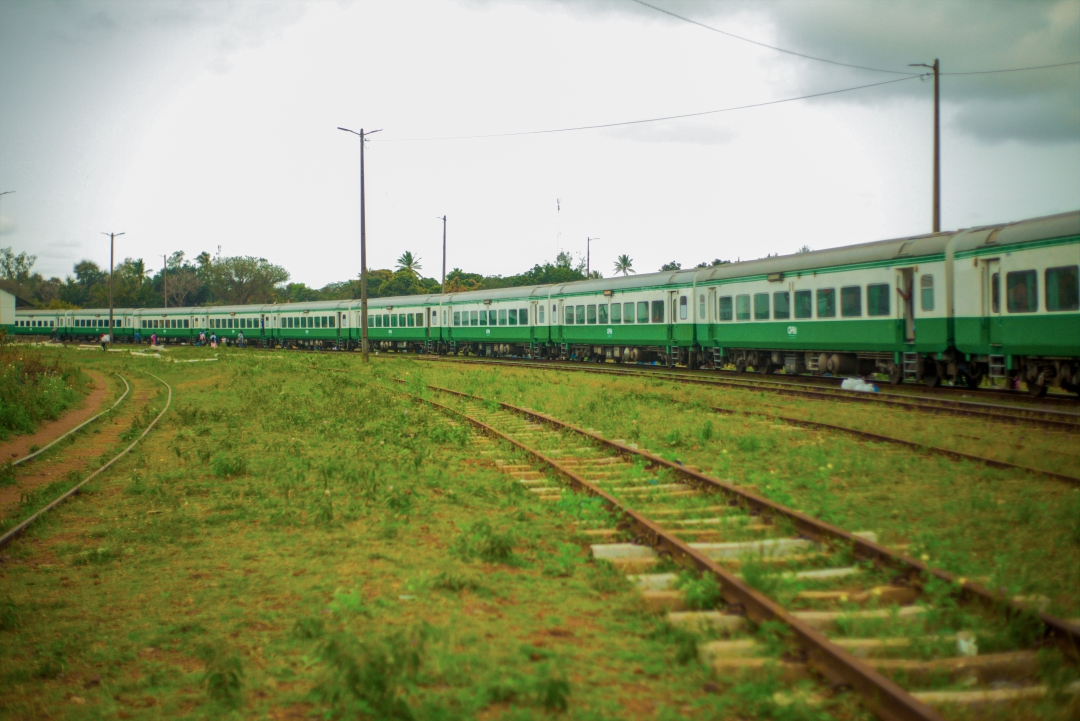
“The Dawn of the Baobabs” (A Madrugada dos Embondeiros) was the title of the first inaugural film of Mozambican cinema – a work of fiction, it should be noted. Left behind was the kuxa-kanema – the documentary-style reports on the birth of a nation. The original title did not stick; the film, released in 1985, would come to be known as “In the Time of the Leopards” (No Tempo dos Leopardos). The work portrays the national liberation struggle while steering clear of a biographical epic, even though the character Pedro/Leopardo, played by Santos Mulungo, is reminiscent of a real-life figure.
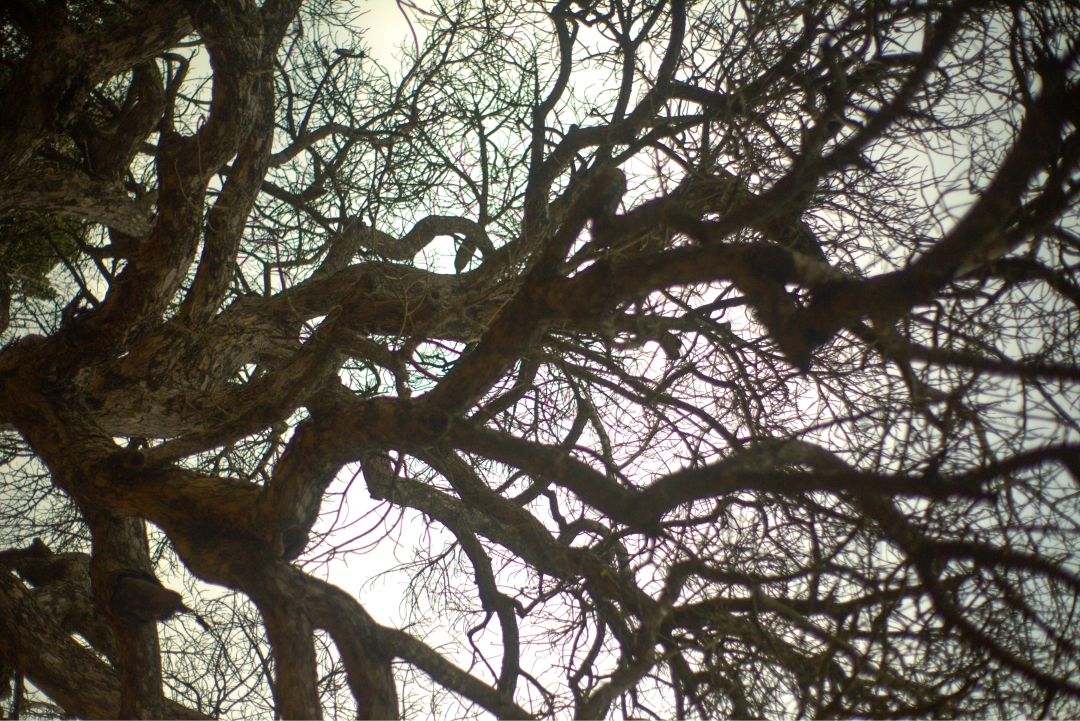
The dawn of the baobabs was a grander metaphor. Perhaps it would be better suited to a film from another era, one concerning different wars, which Mozambican cinema has been slow to address. Literature has already made its own forays into this territory, with Gungunhana as the central figure. We have seen this in two books by Ungulani Ba Ka Khossa – “Ualalapi” and “The Emperor’s Women” (As Mulheres do Imperador*), – a short story by Marcelo Panguana – “The Bones of Ngungunhana” (Os Ossos de Ngungunhana), – and a trilogy by Mia Couto – “The Emperor’s Sands” (As Areias do Imperador). In the realm of audiovisual media, however, fewer than half a dozen documentaries have emerged.
A few years ago, Maningue Magic/MultiChoice – which breathed new life into Mozambican audiovisual Productions – issued a call for series projects set between the 17th and 19th centuries. The pitches, presented at the Franco-Mozambican Cultural Center, ranged from the story of Queen Achivanjila to an attempt to condense the entire history of the Gaza Empire – from the arrival of Soshangane to the capture of Gungunhana. It spanned centuries (yes, plural) of history – an ambition even greater than that of Gabriel García Márquez in “One Hundred Years of Solitude”. Nothing came of it. In literature, a description suffices, but cinema requires the recreation of an era, complete with its specific accents, clothing, architecture, and landscapes. And all of this, as we know, is incredibly labor-intensive and very expensive.
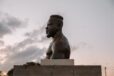
Yet there are stories of resistance that still find a place within the natural landscape, such as that of Maguiguana, to whom official history devotes only half a dozen words. While he lived in the shadow of the towering figure of Gungunhana, it was upon the king’s fall that he emerged as the foremost face of the resistance. Maguiguana bears the weight of a mythic figure: his soul woven from both the cunning of a warrior and the unquestioning beliefs of ordinary men.
As the court of Gaza crumbled and the royal lineage fled into exile in South Africa, a region, specifically Limpopo and Mpumalanga, that owes much to the Nguni people, Maguiguana continued to resist. When his resistance proved futile and the only path left to him was also one of self-imposed exile in South Africa, where he hoped to establish a new dynasty, he sought to erect one final, desperate altar of blood. He demanded the sacrifice of the son of the very man who had granted him protection, a protection that had enabled him to persist in his struggle against the Portuguese. Betrayed by this crime against innocent blood, the pact of silence that had shielded him collapsed: the family that had sheltered him handed him over to the Portuguese forces.
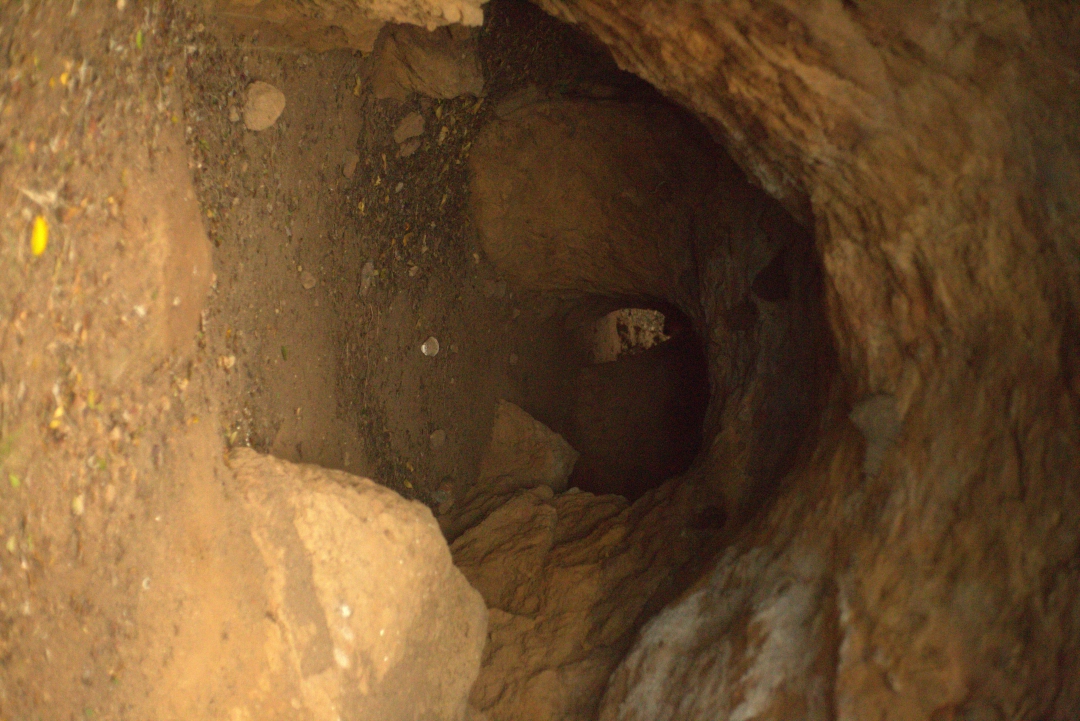
It is this memory, caught between myth and human frailty, that can still be recounted. The Mawandhla cave, a silent witness to the planning of attack strategies, remains there. So too does the Incomati River, further downstream, flowing like a thread of time, with no rush to reach the sea.
Edição 90 JUL/OUT | Download.
">






















0 Comments